Elder Care at Home: Supporting Hygiene, Convenience, and Self-confidence for Seniors
Business Name: FootPrints Home Care
Address: 4811 Hardware Dr NE d1, Albuquerque, NM 87109
Phone: (505) 828-3918
FootPrints Home Care
FootPrints Home Care offers in-home senior care including assistance with activities of daily living, meal preparation and light housekeeping, companion care and more. We offer a no-charge in-home assessment to design care for the client to age in place. FootPrints offers senior home care in the greater Albuquerque region as well as the Santa Fe/Los Alamos area.
4811 Hardware Dr NE d1, Albuquerque, NM 87109
Business Hours
Caring for an aging parent or partner at home frequently begins with small practical jobs. A suggestion to shower. Assist trimming toe nails. Fresh sheets after a spill in the night. Over time, these minutes add up to something much larger than chores. They specify how safe, comfy, and dignified life feels for the older grownup, and how sustainable caregiving feels for the family.
Families who connect for senior home care are generally not requesting medical wonders. They desire someone who understands how deeply personal bathing, toileting, and grooming can be, and who knows how to support these regimens without stripping away self-reliance or confidence.
This is where thoughtful, well planned in-home care matters. Hygiene is not simply about staying tidy. For many elders, it forms their social life, their health, their sleep, and even their willingness to accept help at all.
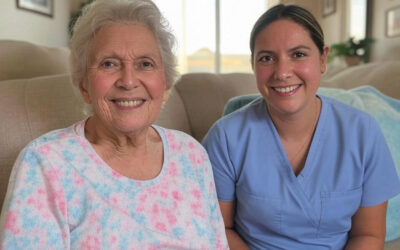
Why hygiene and convenience matter more than the majority of people realize
When households first explore home care for parents, they generally point out safety and medication. Hygiene and convenience tend to appear a bit later on, phrased as something like, "She is not bathing as frequently" or "He smells different, and we are unsure how to bring it up."

Neglected hygiene is often a signal, not just a sign. It can indicate:
- Cognitive changes that make regimens complicated or overwhelming.
- Depression, where a person no longer feels motivated or deserving of care.
- Pain, shortness of breath, or balance problems that make bathing and toileting frightening.
- Simple environmental barriers, such as a bathtub that is all of a sudden too expensive to enter safely.
Hygiene problems ripple external. Skin infections, urinary system infections, falls in the bathroom, insomnia due to pain, humiliation that causes isolation, and increased caregiver tension all trace back, again and once again, to how well the daily routine fits the individual's existing abilities.
Thoughtful elder care at home treats hygiene as a core part of health, not an afterthought.
Starting with evaluation, not assumptions
The biggest error caretakers make is to enter with solutions before understanding what really feels tough for the senior.
A practical evaluation in the house generally takes a look at 4 locations: physical ability, cognition, environment, and preferences.
Physical capability includes strength, range of motion, stamina, and balance. Can your mother represent 10 minutes while someone assists her shower? Can your father lift his arms over his head to clean his hair? How far can they walk to reach the restroom at night, and do they feel short of breath by the time they get there?
Cognition covers memory, sequencing, and judgment. An individual with early dementia may know what a tooth brush is but forget the steps, or might undress in the incorrect room, or leave the water running. Somebody with advanced cognitive decline might resist bathing since it seems like an intrusion of personal privacy from a stranger they no longer completely recognize.
The environment either helps or hinders. Narrow doorways, slick tile, low toilets, poor lighting, and clutter can turn easy jobs into daily dangers. In older Albuquerque homes, for instance, I often see original cast iron tubs that are stunning but treacherous for somebody with arthritis and a walker.
Preferences are typically skipped, yet they are the glue that makes any care strategy appropriate. Does your parent prefer early morning or evening showers? Do they feel more secure sitting than standing? Are they more comfy with a caregiver of the exact same gender? Have they constantly washed their hair in the sink and will they cling to that routine?
Good at home senior care begins with concerns, observation, and listening. Just then does it move to devices, schedules, and tasks.
Bathing without fight: turning a flashpoint into a calm routine
Bathing is among the most mentally charged parts of elder care. Many older adults decline outright. Others agree and then blow up, tearful, or withdrawn in the restroom. Households often feel stuck in between requiring the issue or letting hygiene slide.
Several patterns appear consistently in home care:
First, worry of falling. Wet floorings, poor balance, and a history of previous falls create real fear. A durable shower chair, get bars that are solidly anchored, a portable shower head, and non-slip mats decrease danger however, just as important, they give the person a sense of control. Explaining each step and moving slowly can de-escalate anxiety.
Second, modesty and shame. Requiring assist with intimate jobs can feel humiliating, specifically for somebody who has always been private. Expert caregivers are trained to maintain personal privacy with towels, robes, and dignified language. For relative, it can assist to approach bathing as "help" rather than "doing it for" the person. Let them clean what they can, even if it is slower or imperfect, and action in only when needed.
Third, sensory discomfort. Some seniors with dementia are overwhelmed by water temperature level changes, the noise of a shower, or brilliant bathroom lights. Shorter sponge baths, warm rooms, soft lighting, and constant regimens frequently work much better than insisting on a complete shower twice a week.
There are likewise useful compromises. Full body showers can in some cases be minimized to once or twice a week, combined with day-to-day perineal care, face and underarm washing, and routine modifications of clothes. In home elder care is not about following an ideal book schedule, it has to do with keeping skin healthy and the individual comfy within what they can tolerate.
Toileting, continence, and quiet dignity
Few subjects unsettle households more than incontinence. Overnight accidents, wet furnishings, strong smells, and duplicated laundry loads rapidly use people down. Embarassment and disappointment relocation in on all sides.
From a care perspective, continence concerns are both medical and useful. An abrupt change constantly deserves medical attention, since urinary tract infections, medication results, irregularity, or prostate problems can be included. But once medical concerns have actually been evaluated, the everyday work shifts to timing, access, and support.
Simple modifications can drastically minimize accidents. Positioning a commode at the bedside for someone who struggles to make it to the bathroom in time. Adding a nightlight and cleaning paths. Honoring the person's natural pattern, such as constantly needing to go thirty minutes after meals or before leaving the house.
For household caregivers, language matters. Dealing with every accident as a crisis teaches the older grownup that they are an issue to be resolved. Quiet, matter of reality cleanups, integrated with protective briefs, washable bed pads, and absorbent chair covers, preserve dignity and protect relationships.
Professional home care helps here in really useful methods. A knowledgeable aide knows how to cue an individual carefully, "Let us attempt the restroom before your program begins," how to alter linens efficiently without jolting somebody out of sleep, and how to find early signs of skin breakdown before they become pressure injuries.
Grooming as identity, not vanity
It is easy to dismiss grooming as a lower top priority, particularly when households feel overwhelmed by medications, meals, and consultations. Yet hair, beards, nails, and clothing frequently anchor a person's sense of identity.
I remember a retired Albuquerque teacher who refused visitors for weeks after a hospitalization. She had actually always kept her hairdo and her nails painted. After a stay in rehab, her hair was matted and her hands rough. A single at home visit from a stylist who cleaned and set her hair, and a caregiver who assisted with an easy manicure, altered her mood more than any antidepressant had in months. She started accepting visits again, and her hunger even improved.
In useful terms, grooming support at home may consist of:
- Regular hair washing and drying in a manner that does not strain the neck or back, in some cases using a no-rinse shampoo cap or a basin at the sink.
- Facial shaving or beard care to avoid inflammation and itching.
- Nail care that keeps nails short enough to prevent skin tears, yet respects flow issues that make aggressive cutting risky.
- Daily wearing tidy, comfortable clothes that are simple to handle with minimal movement, such as elastic waist trousers or front closure tops.
These jobs might look small on a schedule, but they profoundly impact how someone feels about leaving your house, seeing buddies, or looking into a mirror.
Skin, convenience, and the quiet work of prevention
One of the most time consuming parts of elder care at home seldom gets gone over outside professional circles. It is the consistent, low level attention to skin, posture, moisture, and friction that avoids pressure ulcers and rashes.
An older adult who spends much of the day in a chair or bed requires aid moving positions. The objective is not just to "turn" an individual, however to alleviate pressure on bony areas like heels, hips, and tailbone, and to keep sheets smooth and dry. Wetness from sweat or incontinence accelerates skin breakdown. So does shear, the drag that happens when an individual slides down in bed.
Experienced elder care albuquerque nm in-home caretakers discover to integrate jobs. While assisting someone modification clothing or use the bathroom, they check for soreness, warmth, or tenderness in susceptible spots. They use barrier creams where required, pat dry instead of rub, and change pillows or wedges to improve alignment.
Families often ignore this side of care. They focus on meals and medication boxes, while small warning signs on the skin go unnoticed up until an unpleasant injury appears. A strong collaboration between household and expert home care can close this gap before it ends up being a crisis.
Emotional safety and the psychology of accepting help
Hygiene care is as much psychological as physical. Nobody reaches older age looking forward to having someone else assist them shower and dress. Loss of personal privacy and autonomy can stir grief, anger, or withdrawal.
A couple of principles help:
Respect before efficiency. It is tempting to rush, especially if you are worn out or on a tight schedule. But moving too rapidly, or talking over the individual rather of with them, sends the message that their body and choices are secondary to the task.
Choice within structure. Even small choices matter, such as which shirt to wear, whether to clean hair today or tomorrow, or music playing gently in the background. The structure comes from a foreseeable regimen that supports health. Option comes from letting the senior shape how that regular unfolds.
Consistency of caretakers. In senior home care, trust grows over repeated, respectful encounters. Agencies that serve the exact same homes in Albuquerque for months or years understand that designating a rotating stream of strangers hardly ever works for intimate care. When one or two familiar caretakers deal with bathing and toileting, resistance frequently drops.
Honesty about role modifications. Adult kids who enter personal care roles with parents in some cases feel deep discomfort. So do parents. Naming the awkwardness, and, when possible, bringing in professional caretakers for the most intimate tasks, can secure the parent child relationship from strain.
Working with a home care firm: what to look for
If family members can not or need to not offer all hands on hygiene care, partnering with a reliable in-home care agency makes a genuine difference.
Helpful questions to ask when speaking with companies consist of:
- How do you train caretakers in bathing, toileting, transfer safety, and dementia delicate communication?
- Will my parent have a small, constant team, or see several people?
- How do you match caretakers to clients in regards to personality, language, and cultural preferences?
- How do you manage scenarios where my parent refuses care or becomes distressed in the bathroom?
- What is your process for reporting skin issues, falls, or modifications in continence?
For households in mid sized cities such as Albuquerque, home care choices can range from small local firms to large regional franchises. The label matters less than the quality of supervision, caregiver training, and responsiveness. A strong sign is when managers visit the home periodically, not just at the start, to observe care in genuine settings and coach staff.
Licensing guidelines vary by state, however a trustworthy agency will be transparent about what their caretakers can and can refrain from doing. Non medical home care generally concentrates on bathing, dressing, grooming, toileting, light housekeeping, and companionship, while experienced home health, recommended by a physician, adds nursing and treatment. Both can play essential functions, but they are not interchangeable.
Shaping the home environment to support independence
The home itself can either increase the work or alleviate it. Simple modifications frequently extend how long an individual can securely manage with in-home senior care instead of facility placement.
In restrooms, steady grab bars anchored into studs, a raised toilet seat, a non-slip surface area, and a shower chair are foundations. Handheld shower heads and lever style faucet handles help those with arthritis. For somebody who can not enter a tub, converting to a walk in shower might be worthwhile, though cost and building logistics vary.
In bed rooms, a bed height that enables feet flat on the flooring when sitting, sturdy bedside tables, and lighting obtainable from bed are crucial. For those at threat of falls, low profile carpets or no carpets at all, clear paths to the restroom, and motion triggered nightlights lower hazards.
In living locations, seating with firm cushions and armrests enables simpler transfers than deep, soft sofas. Mess control becomes a precaution, not simply a housekeeping preference.
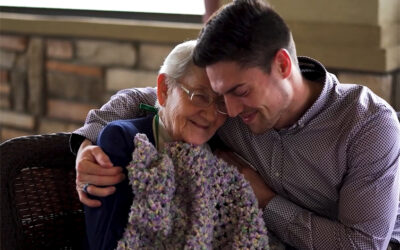
Good home look after parents takes a look at the house through the parent's eyes. Where do they be reluctant? Where do they keep furnishings because there is nothing else to grasp? Which tasks make them short of breath before they finish?
A physical therapist can offer a structured home safety examination, typically covered by insurance coverage when purchased by a doctor. Home care aides then help put that strategy into practice day after day.
Supporting household caregivers, not simply the senior
Behind nearly every elder who remains in the house, there is a household caretaker who manages unpaid care with work, kids, and their own health. Burnout frequently shows up first around hygiene: animosity about continuous laundry, fear of heavy transfers, or inflammation when a parent declines to bathe.
Ignoring caretaker pressure is short spotted. When the main caretaker collapses, the elder's ability to remain at home typically collapses too.
Families can protect versus this by:
- Being sensible about time and psychological limitations. It is something to use a weekly shampoo. It is another to handle daily incontinence care for years without any outdoors help.
- Using respite care from at home agencies, even for a couple of hours a week, to step away without guilt.
- Learning safe body mechanics and transfer techniques, preferably from a physical therapist or experienced caretaker, to safeguard backs and shoulders.
- Sharing specific tasks amongst brother or sisters or relatives rather than unclear pledges. One person may deal with bill paying, another transport, another weekly laundry or grocery deliveries.
Good elder care in the house is always a team effort. Expert caretakers, household, good friends, neighbors, medical companies, and neighborhood resources all contribute pieces. No bachelor can be the entire safety net.
Knowing when home care needs to change
Sometimes, in spite of robust in-home care and creative adjustments, hygiene and convenience requires signal that the current arrangement is no longer safe or sustainable.
Red flags consist of repeated falls throughout bathing or toileting, pressure sores that do not recover in spite of great care, chronic dehydration or malnutrition, extreme behavioral distress connected to individual care, or a primary caregiver whose own health is plainly deteriorating from the load.
At that point, choices might include increasing the strength of senior home care, such as moving from a few hours a day to all the time support, or exploring alternative settings like adult day programs, assisted living, or experienced nursing facilities.
These are difficult choices, and households often struggle over whether they have "failed" by not keeping a loved one in the house forever. It helps to bear in mind that the objective has actually always been the very same: to preserve the elder's self-respect, comfort, and safety as much as possible. Sometimes that suggests staying at home with robust support. Often it implies accepting that another setting can meet complex requirements more reliably.
Bringing it together: respect at the center
Hygiene, comfort, and self-confidence are not high-ends that sit on top of "real" care. For older grownups living in the house, they are the fabric of each day.
When home care is done well, bath time feels safe, not frightening. The bathroom becomes a place of routine, not embarrassment. Clothing feels familiar and comfortable. Your house smells tidy. Skin feels healthy. The older adult can welcome visitors without anxiety. The caretaker goes to sleep worn out however not defeated.
Whether you are a member of the family supplying home care for parents, or you are evaluating Albuquerque home care agencies, the directing concern is basic: Does this method treat the individual as an entire person, with history, practices, and pride? Or does it minimize them to a list of tasks?
The finest elder care keeps that concern in view. It mixes clinical understanding with compassion, method with perseverance, and structure with versatility. Hygiene ends up being not practically cleanliness, however about preserving the person at the center of the care.
FootPrints Home Care is a Home Care Agency
FootPrints Home Care provides In-Home Care Services
FootPrints Home Care serves Seniors and Adults Requiring Assistance
FootPrints Home Care offers Companionship Care
FootPrints Home Care offers Personal Care Support
FootPrints Home Care provides In-Home Alzheimer’s and Dementia Care
FootPrints Home Care focuses on Maintaining Client Independence at Home
FootPrints Home Care employs Professional Caregivers
FootPrints Home Care operates in Albuquerque, NM
FootPrints Home Care prioritizes Customized Care Plans for Each Client
FootPrints Home Care provides 24-Hour In-Home Support
FootPrints Home Care assists with Activities of Daily Living (ADLs)
FootPrints Home Care supports Medication Reminders and Monitoring
FootPrints Home Care delivers Respite Care for Family Caregivers
FootPrints Home Care ensures Safety and Comfort Within the Home
FootPrints Home Care coordinates with Family Members and Healthcare Providers
FootPrints Home Care offers Housekeeping and Homemaker Services
FootPrints Home Care specializes in Non-Medical Care for Aging Adults
FootPrints Home Care maintains Flexible Scheduling and Care Plan Options
FootPrints Home Care is guided by Faith-Based Principles of Compassion and Service
FootPrints Home Care has a phone number of (505) 828-3918
FootPrints Home Care has an address of 4811 Hardware Dr NE d1, Albuquerque, NM 87109
FootPrints Home Care has a website https://footprintshomecare.com/
FootPrints Home Care has Google Maps listing https://maps.app.goo.gl/QobiEduAt9WFiA4e6
FootPrints Home Care has Facebook page https://www.facebook.com/FootPrintsHomeCare/
FootPrints Home Care has Instagram https://www.instagram.com/footprintshomecare/
FootPrints Home Care has LinkedIn https://www.linkedin.com/company/footprints-home-care
FootPrints Home Care won Top Work Places 2023-2024
FootPrints Home Care earned Best of Home Care 2025
FootPrints Home Care won Best Places to Work 2019
People Also Ask about FootPrints Home Care
What services does FootPrints Home Care provide?
FootPrints Home Care offers non-medical, in-home support for seniors and adults who wish to remain independent at home. Services include companionship, personal care, mobility assistance, housekeeping, meal preparation, respite care, dementia care, and help with activities of daily living (ADLs). Care plans are personalized to match each client’s needs, preferences, and daily routines.
How does FootPrints Home Care create personalized care plans?
Each care plan begins with a free in-home assessment, where FootPrints Home Care evaluates the client’s physical needs, home environment, routines, and family goals. From there, a customized plan is created covering daily tasks, safety considerations, caregiver scheduling, and long-term wellness needs. Plans are reviewed regularly and adjusted as care needs change.
Are your caregivers trained and background-checked?
Yes. All FootPrints Home Care caregivers undergo extensive background checks, reference verification, and professional screening before being hired. Caregivers are trained in senior support, dementia care techniques, communication, safety practices, and hands-on care. Ongoing training ensures that clients receive safe, compassionate, and professional support.
Can FootPrints Home Care provide care for clients with Alzheimer’s or dementia?
Absolutely. FootPrints Home Care offers specialized Alzheimer’s and dementia care designed to support cognitive changes, reduce anxiety, maintain routines, and create a safe home environment. Caregivers are trained in memory-care best practices, redirection techniques, communication strategies, and behavior support.
What areas does FootPrints Home Care serve?
FootPrints Home Care proudly serves Albuquerque New Mexico and surrounding communities, offering dependable, local in-home care to seniors and adults in need of extra daily support. If you’re unsure whether your home is within the service area, FootPrints Home Care can confirm coverage and help arrange the right care solution.
Where is FootPrints Home Care located?
FootPrints Home Care is conveniently located at 4811 Hardware Dr NE d1, Albuquerque, NM 87109. You can easily find directions on Google Maps or call at (505) 828-3918 24-hoursa day, Monday through Sunday
How can I contact FootPrints Home Care?
You can contact FootPrints Home Care by phone at: (505) 828-3918, visit their website at https://footprintshomecare.com, or connect on social media via Facebook, Instagram & LinkedIn
Strolling through historic Old Town Albuquerque offers a charming mix of shops, architecture, and local culture — a great low-effort outing for seniors and their caregivers.